
Best Bird Field Guides for Beginners and Experienced Birders
Whether you’re trying to identify your first American Robin in the backyard or searching for a rare shorebird along the coast, a quality bird field guide is one of the most valuable tools you can own. A good guide helps you identify birds by their size, shape, color, field marks, habitat, behavior, range, and even the time of year you’re likely to see them.
With so many bird guides available today, choosing the right one can feel overwhelming. Some rely on detailed illustrations, while others use photographs. Some cover every bird in North America, while others focus on specific regions or bird families.
After years of birdwatching, I’ve found that there isn’t one “perfect” field guide. The best bird field guide is simply the one that works best for you.
Why Every Birder Needs a Field Guide
Birdwatching becomes much more enjoyable when you can confidently identify the birds you see.
A good field guide helps you:
- Identify birds by their field marks
- Compare similar-looking species
- Learn where birds live and migrate
- Understand seasonal plumages
- Recognize males, females, and juvenile birds
- Learn bird behaviors and habitats
Even with today’s excellent birding apps, many birders still carry a printed guide. Books allow you to compare several similar species at once without worrying about batteries, cell service, or screen glare.
My Favorite Bird Field Guide
If I had to recommend just one guide, it would be The Sibley Guide to Birds.
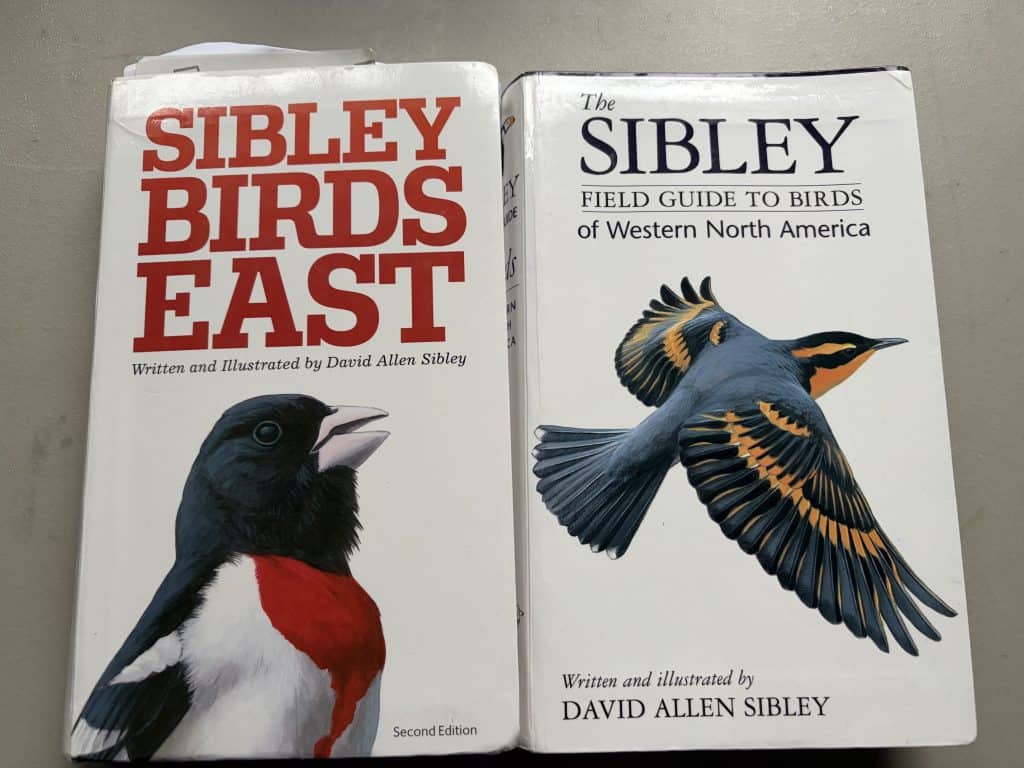
Nearly every experienced birder who mentored me used Sibley, so it became the guide I learned from. Over time I grew to appreciate its incredibly accurate illustrations, clearly labeled field marks, and easy-to-read range maps.
One feature I especially like is how Sibley illustrates birds in multiple poses and plumages. Seeing a bird perched, flying, or during different seasons makes identification much easier.
Of course, every birder has their favorite. Many experienced birders prefer Peterson, National Geographic, Kaufman, Stokes, or National Audubon guides. None are wrong—they simply present information differently.
Bird Field Guides Continue to Evolve
Bird guides don’t stay the same forever.
Every year, ornithologists continue studying bird DNA, genetics, migration, and behavior. As scientists learn more, species are occasionally renamed, moved into different families, or split into multiple species.
Publishers regularly update their guides to reflect these taxonomic changes.
For example, my original Sibley guide displayed two birds stacked vertically on each page. The newest edition places the illustrations side by side, making comparisons much easier while also including updated taxonomy.
Whenever possible, purchase the newest edition of your favorite guide.
East vs. West vs. North America
Many bird guides come in multiple versions.
North America Guides
These include every regularly occurring bird in the United States and Canada. They make excellent reference books but can be large and heavy for everyday birding.
Eastern Guides
These cover birds found east of the Rocky Mountains and are smaller and easier to carry.
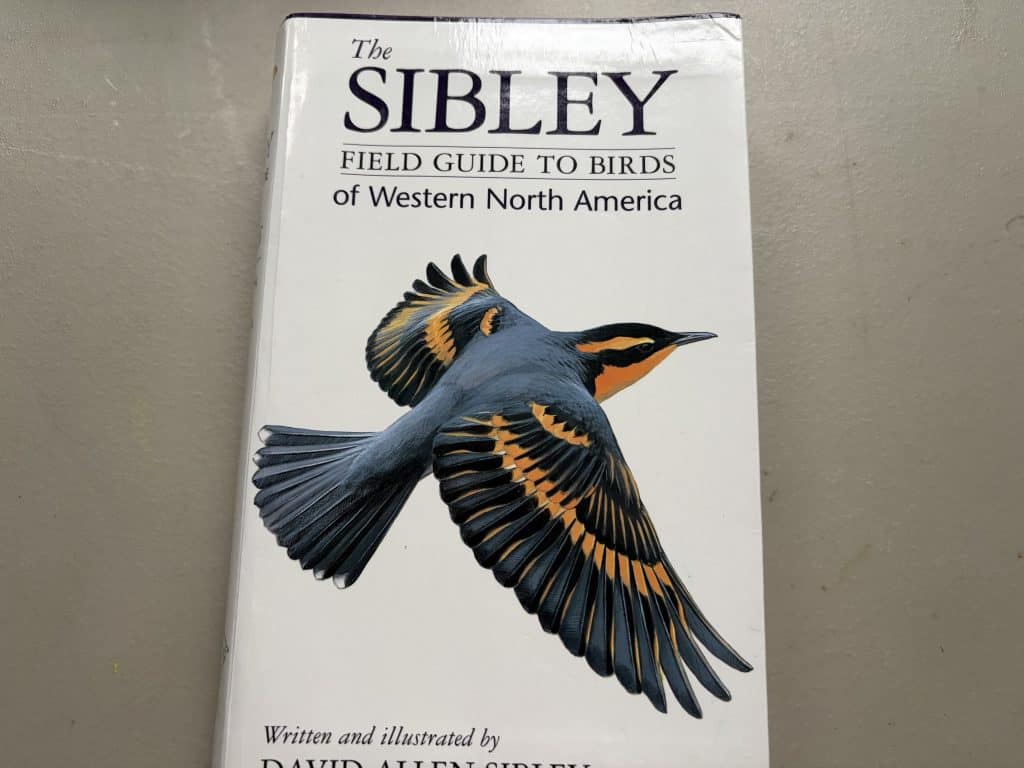
Western Guides
These focus on birds west of the Rockies and are ideal for western birding trips.
I actually own both the Sibley East and Sibley West editions, depending on where I’m traveling.
Comparison of Popular Bird Field Guides
Choosing the best bird field guide often comes down to personal preference.
| Field Guide | Best For | Uses Photos or Illustrations? | Difficulty |
| Sibley | Birders of every skill level | Illustrations | Beginner to Advanced |
| Peterson | Learning field marks | Illustrations | Intermediate |
| National Geographic | Complete North American coverage | Illustrations | Intermediate |
| Kaufman | Beginning birders | Simplified illustrations and photos | Beginner |
| National Audubon | Photographs | Photos | Beginner |
| Stokes Guides | Specific bird families | Photos | Intermediate |
If possible, spend time with several guides before buying one.
Keep a Bird Guide in Your Car
One of the best birding habits I’ve developed is keeping a spare field guide in my vehicle.
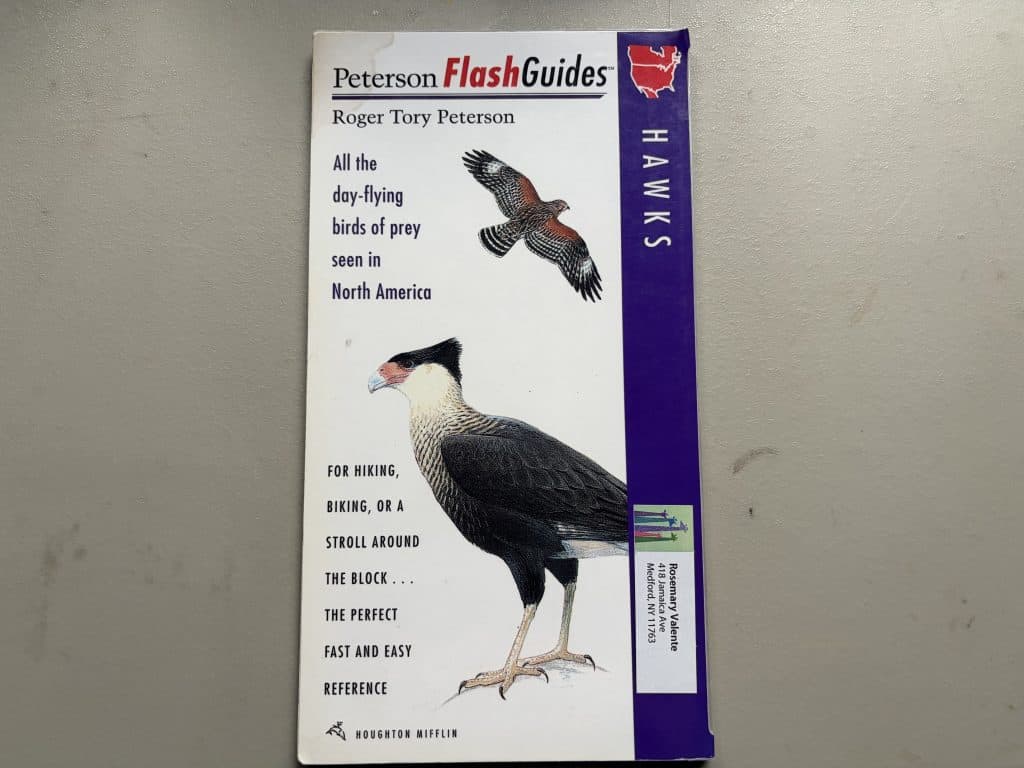
Originally, I kept an older Peterson guide in my car. When I upgraded to the newest Sibley East edition, I donated the Peterson guide to another birder and moved my previous Sibley guide into the car.
You never know when you’ll discover an interesting bird while traveling, eating lunch at a park, or stopping at a scenic overlook.
Specialized Bird Guides
Once you’ve become comfortable with a general field guide, specialty guides are a fantastic investment.
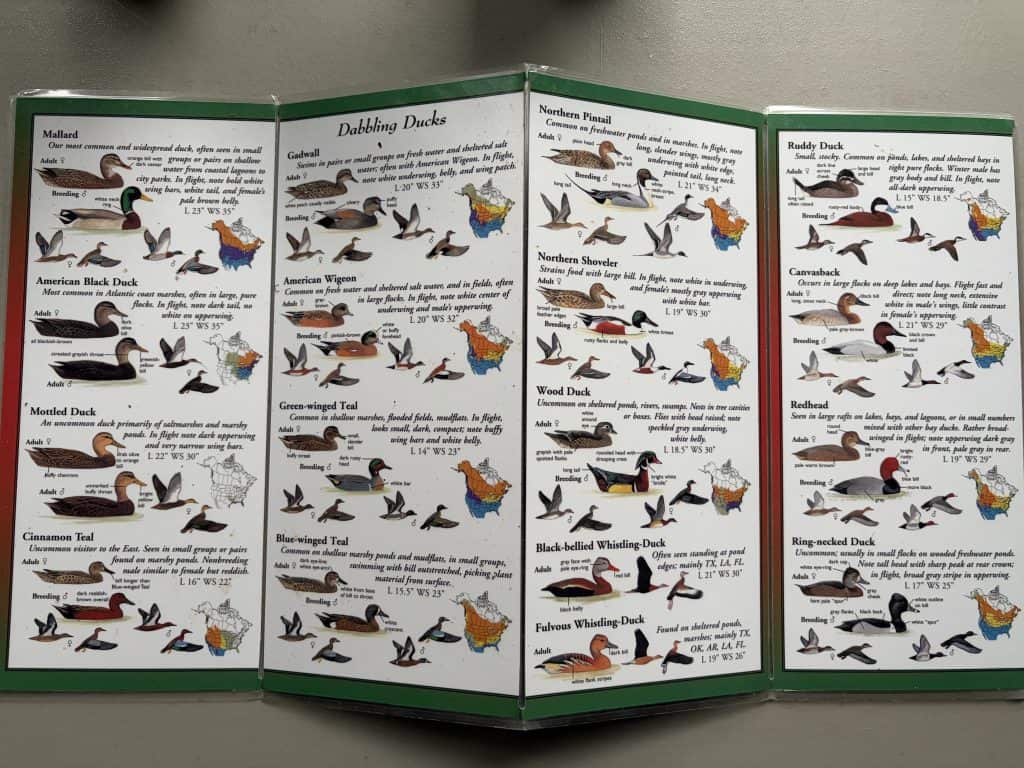
These books go into much greater detail than standard field guides and often include additional photographs, identification tips, and comparison charts.
Popular specialty guides include:
- Shorebirds
- Warblers
- Hawks and Eagles
- Owls
- Ducks and Waterfowl
- Hummingbirds
- Sparrows
- Regional state guides
One of my personal favorites is the Stokes Guide to Shorebirds.
It includes outstanding photographs showing birds in breeding and non-breeding plumage, flight views, and silhouettes. Shorebirds can be notoriously difficult to identify, and this guide makes the process much easier.
Although it’s no longer widely available, new, used copies are often inexpensive online, at thrift stores, garage sales, and library book sales. I found my spare copy at a garage sale for just $1.
Don’t Forget Your Local Library
Before spending money on several bird guides, visit your local library.
Libraries often carry multiple field guides, allowing you to compare different layouts before purchasing your own copy.
Many libraries have expanded far beyond books. Some now lend:
- Birding backpacks
- Binoculars
- Nature exploration kits
- State park passes
- Field guides
It’s a wonderful way to try new resources without spending a dime.
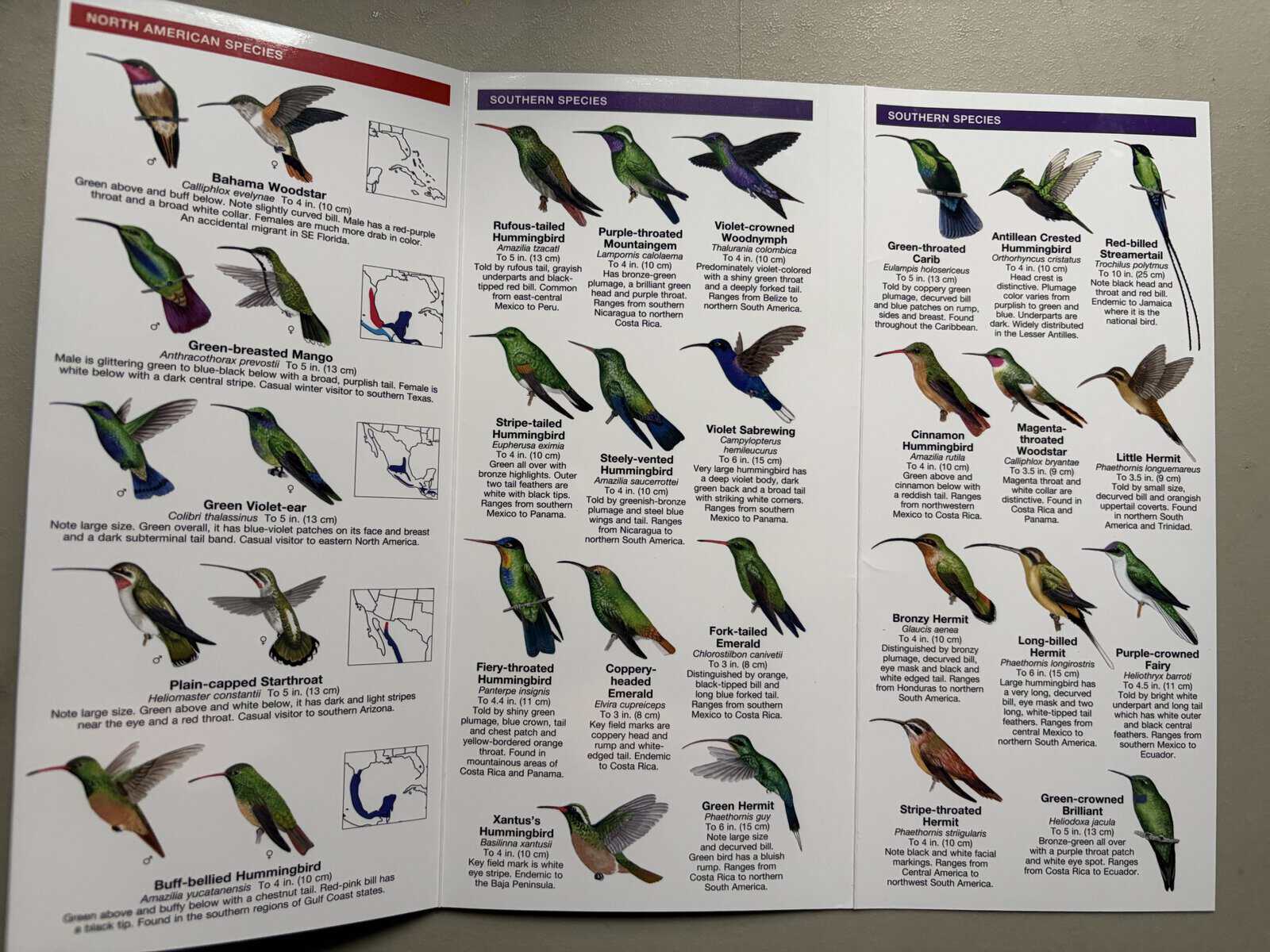
Laminated Foldout Guides
Not every birding trip requires carrying a large field guide.
Laminated foldouts are lightweight, weather-resistant, and fit easily into a pocket or backpack.
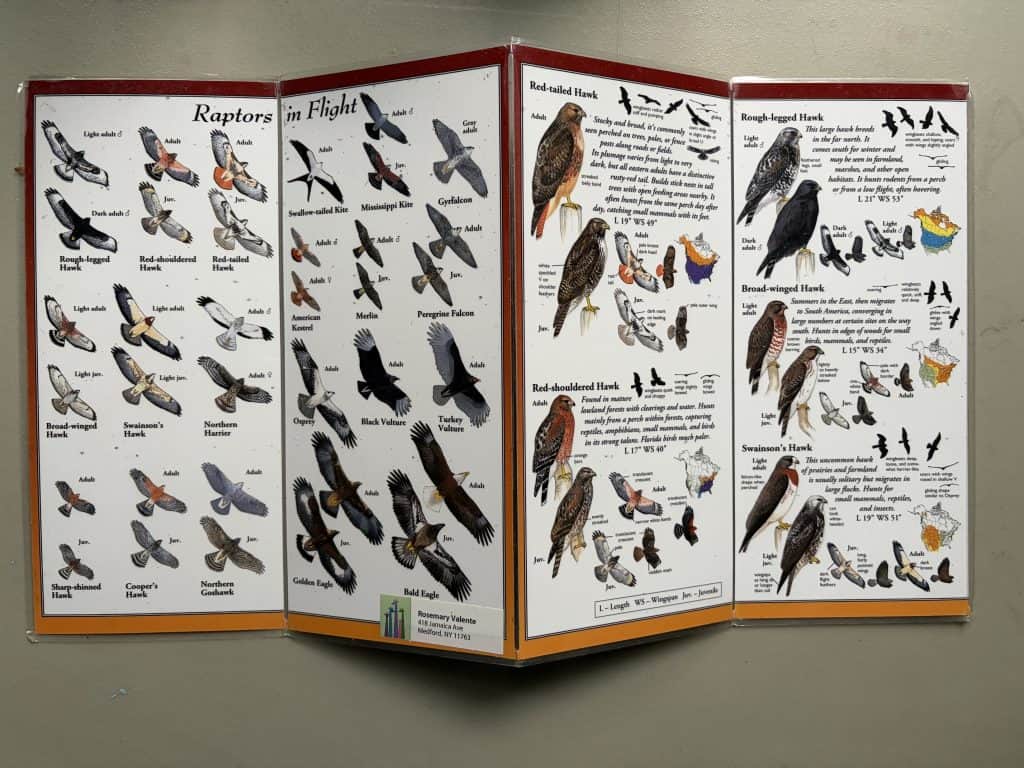
They’re especially useful for:
- Hiking
- Kayaking
- Beach walks
- Bird festivals
- Vacations
- National park visits
One of my favorites is the Warbler Guide Foldout.
The complete Warbler Guide is exceptional, but it’s also quite heavy. The foldout provides quick access to the information you need most.
My favorite feature is the underside illustrations. Since warblers spend much of their time high in the tree canopy, you’re usually looking up at them. Seeing birds from that angle makes identification much easier.
Many foldouts also include QR codes linking directly to bird songs, calls, and additional identification resources.
Today you can find foldouts for individual states, national parks, waterways, shorebirds, raptors, ducks, backyard birds, and many other groups.
I’m still waiting for someone to create a comprehensive sparrow foldout!
Digital Birding Apps vs. Printed Field Guides
Birding apps have become incredibly popular, and many birders carry both a smartphone and a printed guide.
Apps offer advantages like:
- Bird songs and calls
- GPS range maps
- Photo sharing
- Instant searches
- Birding checklists
Printed guides still have several advantages:
- No batteries required
- Easy to compare multiple species
- No cell service needed
- Great for learning bird families
- Less distracting than a phone
Many experienced birders use both.
Tips for Choosing the Best Bird Field Guide
If you’re buying your first bird guide, consider these tips:
- Choose a regional guide if you mostly bird close to home.
- Pick a guide with artwork or photos that match your learning style.
- Buy the newest edition whenever possible.
- Visit your library before purchasing.
- Consider adding specialty guides as your skills improve.
- Keep an older guide in your car for unexpected birding opportunities.
Frequently Asked Questions
What is the best bird field guide for beginners?
Many beginners enjoy the Kaufman Guide because it’s easy to use. However, Sibley is an excellent long-term investment that grows with your birding skills.
Are bird field guides still useful with birding apps?
Absolutely. Apps and printed guides complement one another. Many experienced birders use both in the field.
Should I buy a North American or regional guide?
If you primarily bird near home, a regional guide is usually lighter and easier to use. Travelers may prefer a complete North American edition.
Are laminated foldout guides worth buying?
Yes. They’re perfect for hikes and quick outings when carrying a full-sized guide isn’t practical.
Final Thoughts
Every birder eventually develops a favorite field guide. Mine happens to be Sibley because it’s the guide I learned with, but the “best” bird field guide is the one you’ll actually carry and use.
Don’t be afraid to borrow several guides from your local library before making your decision. Compare the artwork, layouts, and organization until you find one that feels natural.
Whether you choose Sibley, Peterson, Kaufman, National Geographic, Audubon, or another trusted guide, you’ll have an invaluable companion that will help you enjoy birdwatching for years to come.


